
Leasing vs Buying a Car in India: Pros, Cons & Best Choice (2025 Guide)

Understanding Leasing vs Buying a Car in India
Deciding between leasing and buying a car can be overwhelming. Each option has its own advantages and disadvantages. The right choice depends on your budget, lifestyle, and long-term goals. This guide from www.voltcar.in will help you understand the differences between leasing and buying, so you can make an informed decision.
Key Takeaways
- Leasing offers lower monthly payments and easier upgrades.
- Buying provides full ownership and long-term financial stability.
- Assess your budget, lifestyle, and driving habits before choosing.
- Leasing limits mileage and customization.
- Buying requires planning for maintenance and depreciation.
Understanding Leasing vs Buying a Car
Leasing and buying both serve different needs. Leasing offers flexibility, while buying ensures long-term ownership. Let’s break them down.
What is Leasing?
Leasing is a short-term agreement (usually 2–3 years). You make monthly payments but don’t own the car.
Key points of leasing:
- Lower monthly payments than buying
- Mileage limits (10,000–15,000 km/year)
- At the end of the term, you return the car
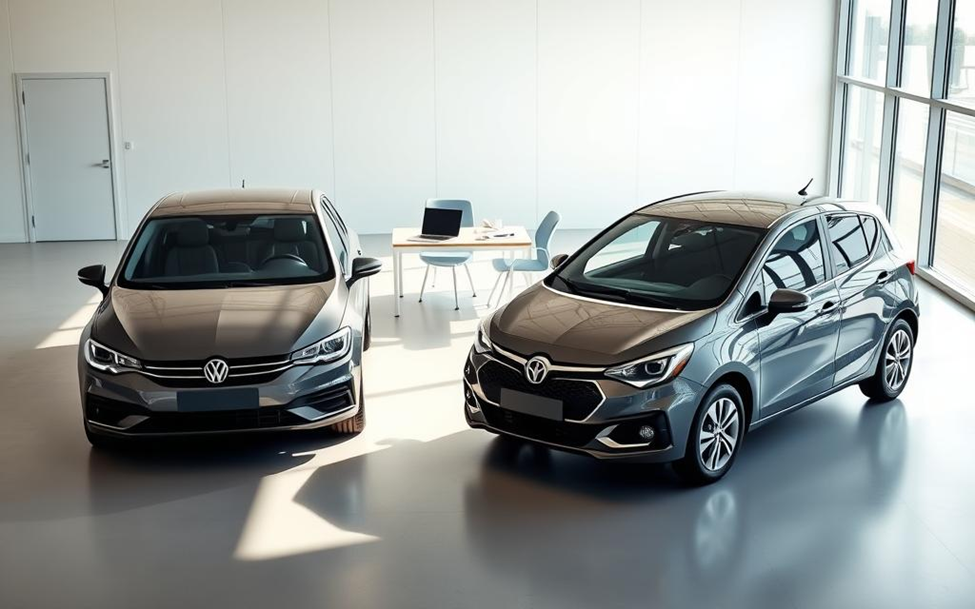
What is Buying?
Buying means you purchase the car outright or through a loan. Once paid off, the car is yours.
Key points of buying:
- Build equity over time
- No mileage restrictions
- Freedom to modify or keep the car as long as you want
Benefits of Leasing a Car in India
Many drivers in India choose leasing for flexibility. Here’s why:
Lower Monthly Payments
You only pay for the car’s usage period, not its full cost. For example, leasing a Honda City may cost ₹15,000 annually, compared to a ₹3 lakh down payment when buying.
👉 Leasing is ideal for those who want to avoid heavy upfront costs.
Easier Upgrades
- Swap cars every 2–3 years
- Access the latest technology and safety features
- Avoid resale worries
Popular leasing choices in India include Tata Nexon and Maruti Suzuki Baleno.
Benefits of Buying a Car
Buying provides freedom and ownership, something leasing cannot offer.
- Build Equity: Monthly payments contribute to your asset.
- Unlimited Mileage: Drive as much as you want.
- Customization: Add accessories or modify your car freely.
👉 Owning a car means long-term savings and financial stability.
AAlthough the initial cost is higher, buyers avoid lease penalties and resale hassles. Buying also aligns with long-term goals, especially for families.
Should You Lease or Buy a Car?
The right choice depends on your lifestyle and budget.
Assess Your Lifestyle
- Short-term users: Lease for lower payments and frequent upgrades.
- Long-term planners: Buy if you value ownership and stability.
👉 Your car decision should match your life’s rhythm, not just the price tag.
Financial Impact
- Leasing = lower upfront cost, but no ownership.
- Buying = higher initial cost, but better long-term savings.
Use a cost calculator to compare total expenses, including insurance, maintenance, and taxes.
Factors to Consider
| Factor | Leasing | Buying |
|---|---|---|
| Mileage | Limited (10,000–15,000 km) | Unlimited |
| Maintenance | Dealer-approved required | Free choice of garages |
| Cost Over Time | Lower monthly payments | Higher upfront, savings |
| Ownership | No ownership | Full ownership |
👉 If you drive more than 15,000 km/year, buying is usually better.
Comparing Financing Options
Leasing Costs
- Lower interest rates (8–10%)
- Shorter terms (2–4 years)
Buying Costs
- Loan interest rates (10–14%)
- Longer repayment terms (up to 7 years)
- Builds equity over time
Pro Tip: Always compare offers from banks like HDFC, ICICI, and Axis Bank before deciding.
New vs Used Cars
Should you buy a new car or a used car?
Advantages of New Cars
- Latest tech and safety features
- Full warranty coverage
- No prior damage
Advantages of Used Cars
- Lower cost and insurance
- Access premium models at lower prices
- Certified pre-owned options available
👉 A used car can save thousands while still meeting daily needs.
Navigating Car Loans in India
Banks like HDFC, ICICI, and Axis offer flexible loan options.
Steps to secure a loan:
- Check your credit score.
- Compare offers online.
- Submit documents (ID, income proof).
- Finalize transparent loan terms.
👉 Pre-approved loans save time during negotiations.
Conclusion
Leasing provides lower monthly costs and frequent upgrades, whereas buying ensures ownership and long-term savings. Your choice depends on your driving habits, budget, and financial goals.
At www.voltcar.in, we recommend carefully comparing total ownership costs, resale value, and lifestyle needs before making a decision.
👉 Whether you choose the flexibility of leasing or the stability of buying, making an informed choice is the key to smart car ownership.
FAQ
1. What’s the main difference between leasing and buying?
Leasing means paying for short-term use, while buying gives you full ownership and equity.
2. Is leasing better for business?
Yes. Leasing can offer tax benefits and lower upfront costs.
3. What should I consider when choosing a new or used car?
New cars have the latest features but higher prices. Used cars offer savings and slower depreciation.
4. How do interest rates affect car loans?
Lower interest rates reduce monthly payments and the overall loan cost.
5. What happens at the end of a lease?
You can return the car, buy it at a pre-agreed price, or lease a new one.
Read more about new car prices after GST 2.0 : https://voltcar.in/2025/09/14/new-car-prices-after-gst-2-0-check-list/
check loan rate : https://sbi.bank.in/web/interest-rates/interest-rates/loan-schemes-interest-rates/auto-loans